

Introduction
India’s energy landscape is undergoing a historic transformation. Rising electricity demand, increasing climate commitments and rapidly declining solar costs are reshaping how the nation generates and consumes power. In this transition, rooftop solar has emerged as a key driver of decentralised, clean and cost-effective energy.
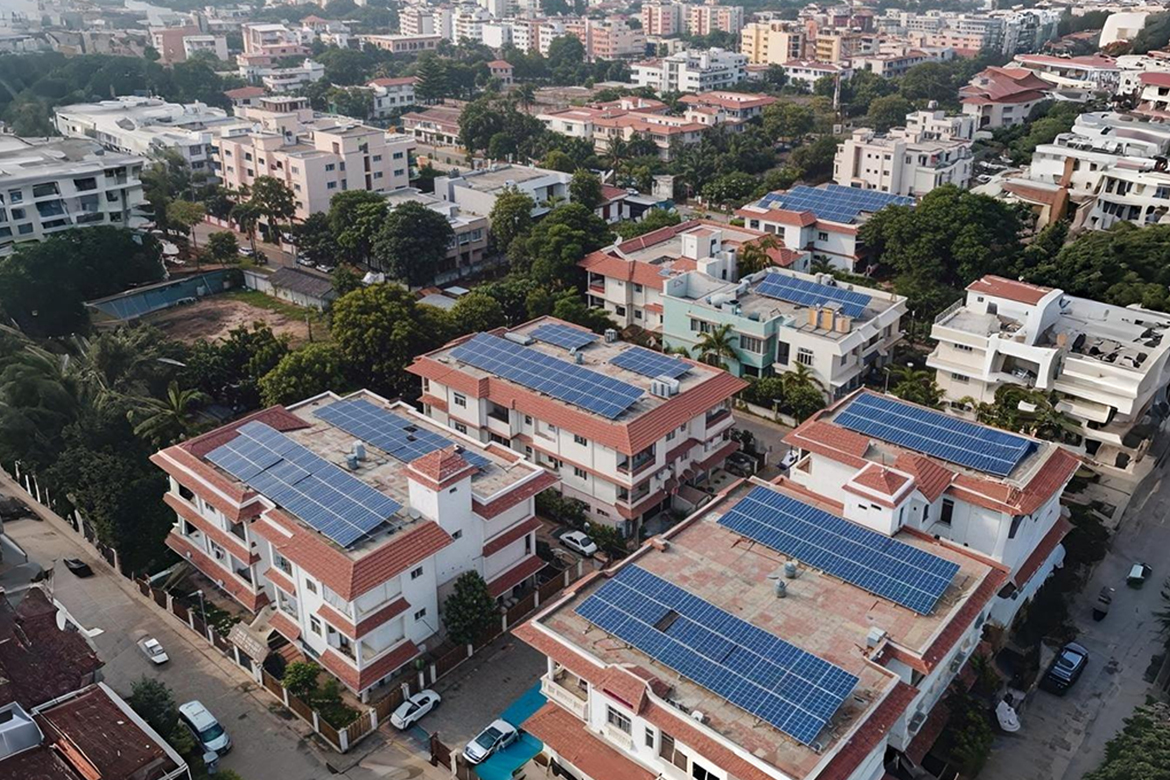
By 2025–26, rooftop solar in India will represent more than just an alternative energy source. It will signify a fundamental shift in energy ownership, empowering households, businesses and industries to become producers as well as consumers of electricity. Supported by favourable government policies, technological advancements and innovative financing models, rooftop solar is poised to become a mainstream solution for sustainable growth.
This blog explores the key trends, policy developments and emerging opportunities that will define the future of rooftop solar in India over the next two years.
Key Trends Driving Rooftop Solar Growth
Several converging factors are expected to accelerate rooftop solar adoption across India during 2025–26:
- Declining Solar Panel Costs
The cost of photovoltaic panels and balance-of-system components continues to fall, making rooftop solar installations increasingly affordable for residential, commercial, and industrial users.
- Rising Need for Energy Independence
With conventional electricity tariffs steadily increasing, consumers are turning to rooftop solar to reduce long-term power costs and protect themselves from price volatility.
- Adoption of Smart Energy Technologies
Advancements such as AI-based monitoring systems, IoT-enabled energy management, and improved battery storage solutions are enhancing system efficiency, reliability, and user control.
- Growth of Green Financing
Banks, NBFCs, and fintech platforms are offering low-interest loans, EMI-based models, and third-party ownership structures, significantly reducing the upfront cost barrier for solar adoption.
- Corporate Sustainability and ESG Commitments
Businesses are increasingly investing in rooftop solar to meet ESG goals, reduce carbon footprints, and strengthen their brand image among environmentally conscious stakeholders.
The Role of Government Policies
India’s policy framework continues to play a crucial role in promoting rooftop solar adoption. Several initiatives will remain decisive through 2025–26:
- Expansion of the National Solar Mission
Under the National Solar Mission, the government has set ambitious rooftop solar targets, supported by incentives for residential, commercial, and institutional consumers.
- Net Metering Regulations
While net metering policies vary across states, they continue to enable consumers to export surplus electricity to the grid, improving the economic viability of rooftop solar systems.
- Subsidies and Fiscal Incentives
Residential consumers benefit from capital subsidies under central government schemes.
Commercial and industrial users gain from tax incentives, accelerated depreciation, and other financial benefits that improve project returns.
- State-Level Initiatives
Progressive states such as Gujarat, Maharashtra, and Karnataka are leading adoption through simplified approval processes, additional incentives, and digital platforms that accelerate installation timelines.
Opportunities in Rooftop Solar (2025–26)
The rooftop solar sector presents significant opportunities across multiple segments:
- Residential Sector
Affordable financing options, government subsidies, and falling system costs are making rooftop solar accessible to middle-income households. Integration with smart home systems allows users to monitor and optimise energy usage efficiently.
- Commercial and Industrial Sector
Factories, office complexes, malls, and warehouses can achieve substantial savings on electricity expenses. Rooftop solar also supports corporate sustainability objectives and enhances brand credibility.
- Rural and Semi-Urban Markets
Decentralised rooftop solar systems can bridge energy gaps in underserved regions. Small businesses, agricultural operations, and community-level microgrids can benefit from reliable and affordable solar power.
Challenges Ahead
Despite strong growth prospects, rooftop solar adoption faces certain challenges:
- Awareness Gaps: Many consumers remain unaware of the financial, environmental, and long-term benefits of rooftop solar.
- Financing Constraints: Small businesses often struggle with upfront investment, even when subsidies are available.
- Grid Integration Issues: Managing distributed generation while maintaining grid stability requires infrastructure upgrades.
- Policy Implementation Delays: Differences in state-level execution can slow adoption despite supportive central policies.
Strategic Recommendations for Stakeholders
To unlock the full potential of rooftop solar in India by 2025–26:
- Consumers should actively explore subsidy schemes, financing options and long-term savings before making energy decisions.
- Businesses must integrate rooftop solar into their sustainability and cost-optimisation strategies.
- Policymakers should focus on streamlining approvals, standardising regulations and strengthening grid infrastructure.
- Investors can capitalise on the rapidly expanding clean energy market with long-term growth potential.
Conclusion
Rooftop solar in India is poised for accelerated growth during 2025-26. Backed by supportive policies, declining costs and a rising demand for clean energy, rooftop solar has the potential to transform households, businesses and communities into self-reliant energy producers.
This transition is not merely an economic opportunity, it is a decisive step towards a greener, more resilient India. Investing in rooftop solar today means investing in a future where rooftops become powerful symbols of sustainability, growth and national progress.